One Piece Swimsuits: A Practical Guide to Cuts, Fabrics and Fit
One piece swimsuits cover the torso in a single garment, and that simple idea hides a lot of variation. Necklines drop to the navel or rise to the collarbone. Backs can be fully covered or open to the waist. Leg lines run from modest to very high. Knowing which details matter saves you from a suit that looks good on a hanger and feels wrong after ten minutes in the water.
This page covers the main cuts, the fabrics worth looking for, how to size, and which style suits which activity. Prices quoted are rough indications only.
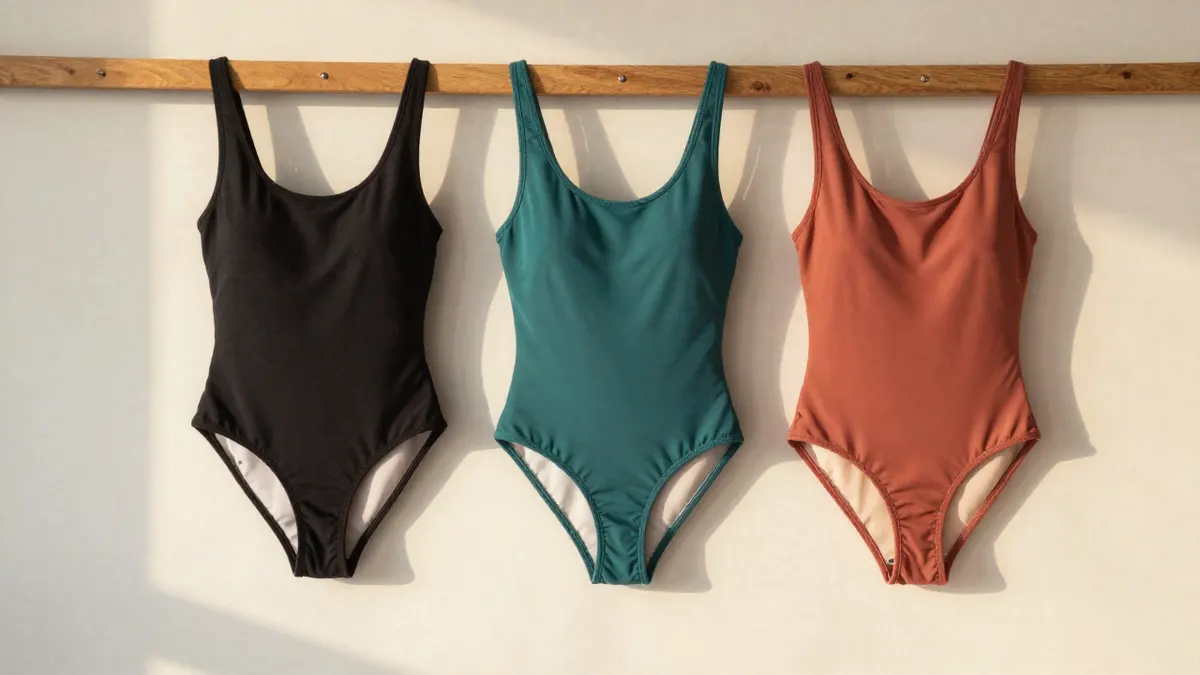
The Main Types of One Piece Swimsuits
Most designs fall into a handful of families. The differences are easy to spot once you know what to look at.
Classic scoop and tank cuts
Wide straps, a rounded neckline and a medium leg. This is the safest shape for lap swimming, family pools and long days on a sunbed. It stays put and rarely needs adjusting.
Plunge and deep V necklines
The neckline can fall 15 to 25 cm below the collarbone. It lengthens the torso visually, but it needs inner support or a snug band under the bust, otherwise it shifts with every wave.
Cutout and open back styles
Side panels, keyhole fronts and low backs are popular for beach holidays. They also leave unusual tan lines, so decide in advance whether that bothers you. A Bluebell one piece is a good example of a style that plays with a detailed back while keeping a stable front.
Halter, wrap and ruched designs
Halter straps tie behind the neck and spread weight away from the shoulders. Ruching across the stomach gives a softer line and hides creases when you sit. Wrap fronts adjust easily, which helps if your measurements fall between sizes.
Fabrics and Fit That Last
Check the label before anything else. A good swimsuit usually blends 80 to 90 percent polyamide (nylon) or recycled polyamide with 10 to 20 percent elastane. Polyester blends resist chlorine better, which matters if you swim in a pool several times a week.
Lining counts too. A full lining, front and back, stops transparency when the fabric is wet and adds a little shaping. Unlined suits dry faster but show more. Light colors like white, sand and pale pink are the ones most likely to go see-through, so test them against light before you wear them.
Expect to pay from about 40 to 70 USD for a decent everyday suit, and roughly 90 to 150 USD for heavier, double-layered or sculpting fabrics. Higher prices do not always mean better durability, but thicker knits generally keep their shape through a full season.
How to Size a One Piece Swimsuit
Unlike a bikini, a one piece has to fit your torso length. Measure from the top of one shoulder, down through the crotch, and back up to the same shoulder. Compare that number with the size chart, because a suit that is too short pulls on the straps and digs in at the hips.
- Bust, waist and hip measurements, taken in the same position each time
- Torso length, usually between 130 and 165 cm for most adults
- Cup support, if you need more than a light lining
- Strap adjustability, which helps when your torso falls between two sizes
Swimwear stretches slightly when wet. If you are between sizes, go smaller in firm fabrics and larger in thin, very stretchy ones. A Golden barrel one piece, with its structured shape, is the kind of design where a precise torso measurement pays off.
Choosing a One Piece Swimsuit by Activity
For laps and water aerobics, pick a racer back or crossback with a high neckline. Straps that cross between the shoulder blades will not slide off during a freestyle stroke.
For beach days and snorkeling, comfort and sun cover matter more. A higher neckline and a moderate back protect against sunburn, and a UPF 50 rating blocks about 98 percent of UV rays. Apply sunscreen anyway to uncovered skin.
For travel, pick quick-drying fabric and a print that hides sand and salt marks. An Amaryllis one piece shows how a bold pattern can cope with a busy holiday schedule. If you want a wider look at coverage and layering, Granadilla swimwear covers the same ground from a different angle.
Caring for Your Swimsuit
Rinse in cool fresh water within an hour of leaving the pool or sea. Chlorine and salt both break down elastane quickly, and a suit left damp in a bag can lose its stretch in a few weeks.
Wash by hand with mild soap, press out the water without wringing, and dry flat in the shade. A dryer is the fastest way to ruin the fit. With this routine, a good suit lasts around two to three summers of regular use.
Frequently Asked Questions
Are one piece swimsuits good for large busts?
Yes, if you choose underwire or molded cups, wider straps and a firm band. Halter and crossback designs spread the load better than thin spaghetti straps. Look for a suit with at least a 3 cm strap width for real support.
How tight should a one piece swimsuit feel?
Snug but not restrictive. You should be able to slide a finger under the straps and breathe fully without the fabric digging in at the leg openings or the underarms. It will loosen slightly after several wears.
Can I wear a one piece swimsuit for swimming laps?
You can, and a chlorine-resistant polyester blend is the better choice. Pick a cut with a secure back and a moderate leg, so nothing shifts as you push off the wall.
Which colors hide sweat and water marks best?
Navy, black, deep green and small busy prints hide marks well. Pale solids show everything when wet, especially in unlined suits.