Wild Malva Tunic: A Practical Guide to Fit, Fabric and Styling
The wild malva tunic is a loose beach cover-up in a soft mauve, the shade of the mallow flower it is named after. It is cut to slip over a bikini or one-piece in seconds, and it usually reaches mid-thigh. Here is what to check before you decide whether this style suits you.
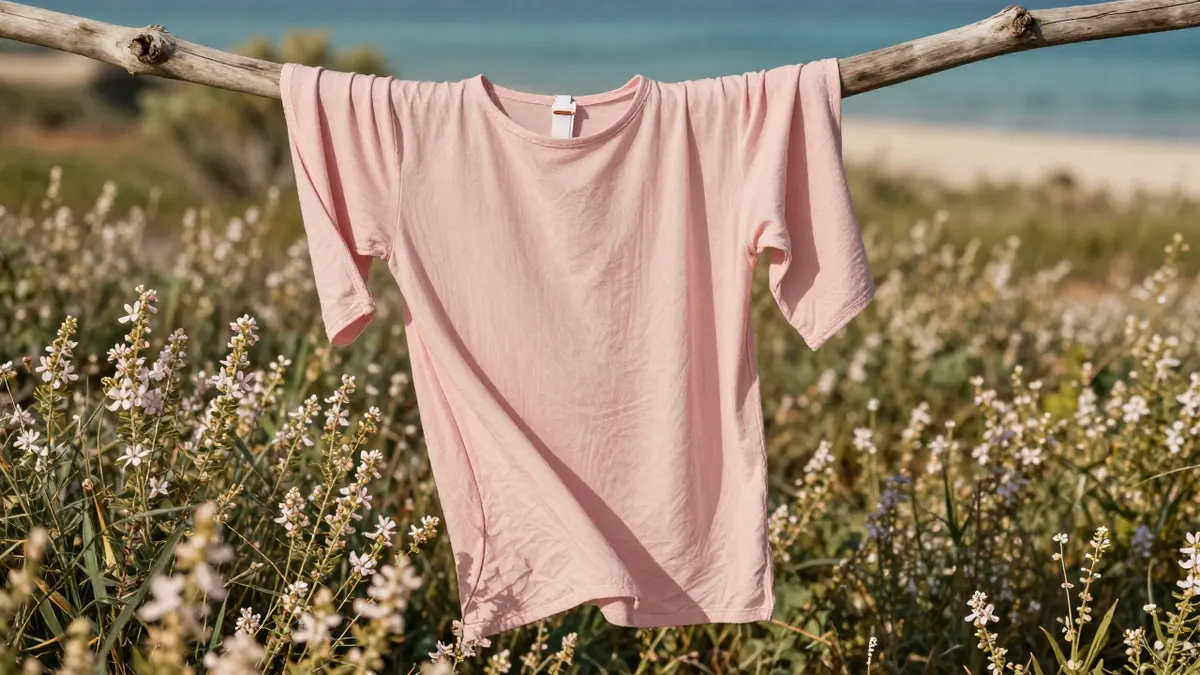
What the wild malva tunic looks like
Expect a relaxed, straight or slightly flared silhouette with a wide neckline and short or three-quarter sleeves. The length sits around 85 to 95 cm on a size M, which covers the hips without dragging in the sand.
The colour is the main draw. Malva is a muted purple with a hint of pink, and it flatters both tanned and pale skin. It also hides sunscreen marks better than white does, which matters after a few hours on the beach.
Some versions have a drawstring at the waist, others hang free. The free-hanging cut is cooler in hot weather. The drawstring version gives more shape and stays put in wind.
Fabric and comfort
Tunics of this type are normally made from light cotton, cotton gauze or a cotton and viscose blend, weighing roughly 100 to 140 g per square metre. Gauze dries in about 30 minutes in direct sun. Heavier cotton feels nicer on cool evenings but stays damp longer.
Hold the fabric up to a window before you trust it. If you can clearly see your hand through it, a light swimsuit underneath will show, and a dark one will show even more.
Sizing tips
Most tunics are cut one size up on purpose. If you are between sizes, take the smaller one for a neat line, or the larger for a very loose, airy feel. Check the shoulder width first, since sleeves can be fixed with a belt but shoulders cannot.
- Small: bust around 92 cm
- Medium: bust around 98 cm
- Large: bust around 104 cm
- Extra large: bust around 110 cm
These figures are indicative. Always compare with the measurements given by the seller of the specific piece.
How to style a wild malva tunic
Over a navy or white swimsuit, malva looks fresh and calm. Over black, it looks sharper. Avoid orange and red swimwear underneath, because the clash with purple is hard to pull off.
For a walk to a beach bar, add flat leather sandals and a woven bag. For the evening, a thin belt at the waist turns the tunic into a short dress, and a pair of light linen shorts keeps things modest if the wind picks up.
If you like a more textured look, compare it with a crochet beach dress, which is longer and more open, or with the Beach spider lily dress, which has a more feminine, fitted shape. A tunic is simpler and easier to pack.
Care and durability
Rinse the tunic in fresh water after salt or chlorine exposure. Wash it by hand or on a 30 degree cycle, with a gentle detergent. Dry it flat in the shade, because strong sun fades mauve dyes faster than most other colours.
Do not tumble dry gauze. It can shrink by 3 to 5 percent in a single cycle. Iron on low heat while slightly damp if you want a smoother finish, though many people prefer the natural crinkle.
Making a similar tunic yourself
A simple tunic is one of the easier garments to sew or crochet. A basic rectangle pattern needs about 2 metres of fabric and takes an evening. If you prefer yarn, a crochet dress tutorial can be adapted by shortening the body to tunic length and using a lighter cotton thread. To compare other styles before choosing, you can browse all swimwear products.
Frequently Asked Questions
What does malva mean in a colour name?
Malva is the Spanish and Italian word for mallow. In fashion it describes a soft purple with pink undertones, lighter than plum and warmer than lavender.
Can I wear a tunic without a swimsuit underneath?
Only if the fabric is fully opaque, which is rare in beach tunics. Light cotton and gauze become see-through when wet, so a swimsuit or lining is the safer choice.
Is a tunic warm enough for cool beach evenings?
Not by itself. Thin cotton gives some wind protection, but below about 20 degrees you will want a cardigan or a light wrap on top.
How long does the colour last?
With cold washing and shade drying, the shade should hold for a couple of seasons. Frequent hot washes and long hours in direct sun will dull it much sooner.